Grain, Fleece, and Fire: Alpine Craft Lives Again
Step into high valleys where hands still read the grain, listen to the fleece, and speak with fire. Today we journey into Traditional Alpine Crafts Revived: Woodcarving, Wool, and Metalwork, celebrating makers who rescue skills from silence, adapt them for modern need, and keep communities alive through beauty, usefulness, and shared pride.
Carving Light From Stone Pine
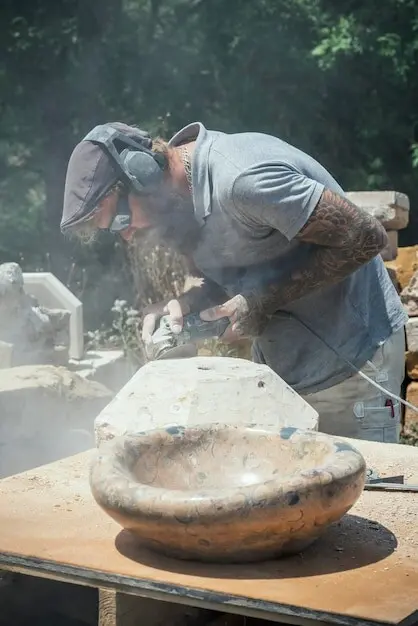
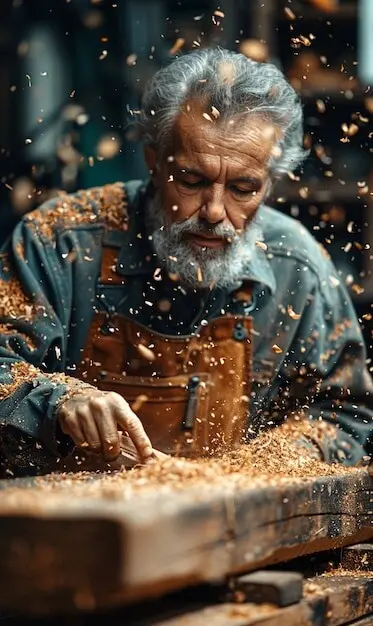
Follow the scent of freshly opened shavings as knives release soft curls from linden and stone pine, revealing gestures older than the trails themselves. Revivals begin with listening: to timber seasoned in barn rafters, to stories about winter evenings by lamplight, and to the responsibility of taking only what the mountain can spare, then returning value as useful objects that endure and accompany families for generations.
From Meadow to Spindle
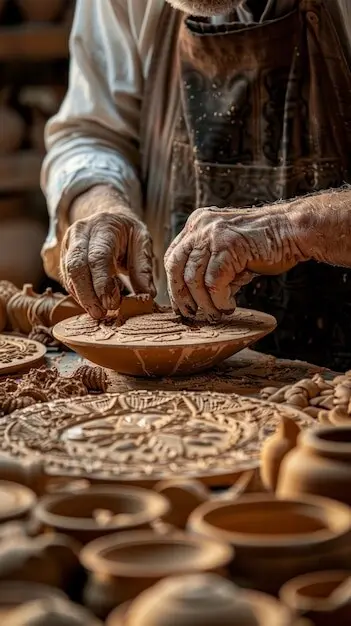
Transhumance still guides flocks between valley hay and high herb pastures, producing fibers resilient as scree paths. Valais Blacknose and Tyrolean breeds gift characterful staples that draft beautifully. After respectful shearing, wool is skirted, washed without stripping life, and teased into roving. On wheel or drop spindle, twist travels like a tiny stream downhill, consistent, musical, and calming, turning loose softness into yarn that remembers winds, bells, and bootprints.
Colors Bred by Earth and Bark
Revival respects color that grows underfoot: walnut husks give deep browns, larch bark a warm rust, onion skins a golden laugh, indigo a nightfall blue. Dyers track water temperature and pH like bakers monitor dough, coaxing repeatable hues from plants that also heal and flavor. In sunlight, tones breathe rather than shout, and garments age beautifully, mending into artworks that record hikes, workshops, and fireside conversations over steaming mugs and soft laughter.
Sparks Under the Eaves
Bells That Speak Across Fog
Founders cast bronze throats tuned to valleys, so each herd sings its own signature through cloud and dusk. Pattern, clapper, and strap shape timbre and carry distance without harshness. Makers stamp motifs—edelweiss, constellations, initials—linking animals to families. When calves first wear bells, neighbors recognize the voice immediately. Restored bells join new ones, and the chorus guides shepherds, comforts hikers, and steadies hearts when visibility shrinks and paths braid invisibly through whiteness.
Edges for Ice and Stone
Crampons, axes, scythes, and knives demand heat control almost parental in its care. Quench too fast, and temper shatters; too slow, and bite fails on blue ice. Smiths test spark trails, listen to ring, and judge colors between cherry and straw. The result is trustworthy steel that holds an edge on limestone ledges or turns summer hay clean, with handles fitted to palms that climb, mow, cook, and open possibilities safely.
Iron Lace on Balconies
Wrought iron curls like smoke, framing geraniums and starlight. Balconies, latches, and lanterns receive graceful strength through scrolls, twists, and collars, each element joined without fuss, leaving room for mountain views to finish the design. Revived workshops reference archival sketches yet cheerfully experiment with asymmetry and emptiness. A railing becomes a signature handshake for the house, reminding visitors that homes are made, not merely built, and daily passing deserves a small celebration.
A Master’s Bench at Dawn
Before the door opens, shavings are swept, edges are honed, and a kettle hums. Apprentices arrive with notebooks, promises, and cold fingers. Lessons begin with listening: to wood, wool, metal, and the unhurried logic of processes. Mistakes become material for learning, not shame. Over months, the bench grants trust, and the master quietly steps back as learners hear the rhythm themselves, ready to carry knowledge into their own shops and futures.
Cooperatives That Keep Wool Local
A single farm cannot spin a market alone, but ten together can. Co-ops standardize sorting, share scouring tanks, and coordinate dye lots, achieving consistent quality without erasing character. Transparent ledgers build neighborhood faith, while shared branding links sweaters to sheep names and pastures. Members invest in training and seasonal pop-ups, proving that resilience grows where value stays near its origin, empowering shepherds, spinners, and knitters to plan confidently beyond one precarious season.
Design That Breathes Thin Air
Rooms That Smell of Zirbe
Bedrooms paneled with stone pine, known locally as zirbe or arve, slow heartbeats and steady dreams, villagers say. Designers integrate carved headboards, perforated panels, and modular shelving that off-gasses naturally pleasant scents without coatings. Small studios craft diffusers from offcuts, reducing waste while amplifying atmosphere. The result is biophilic calm paired with tactile honesty, where touch and fragrance guide decisions as much as sight, leading to rooms that truly rest their inhabitants.
Runways Lined With Felt and Faithfulness
When couture meets shepherd paths, silhouettes gain purpose. Felted coats cut wind without fuss, while naturally dyed palettes translate alpine dusk into wearable nuance. Collaborations pay fairly for yarn, celebrate visible mending, and publish supply chains. Models stride carrying stories about weather, pasture rotation, and names of flocks. Rather than costume, the garments feel like companions for commutes, workshops, and evening walks, reminding cities that integrity can also look strikingly modern and kind.
Everyday Objects With Mountain Nerve
Knife handles carved from local offcuts, lamp stands forged from reclaimed rails, and stools upholstered in handwoven wool bring landscape courage to kitchens and studios. Designers prototype alongside elders, testing joints, finishes, and patinas through real use, not showroom posing. The resulting objects reward grip and patience, inviting care rather than disposal. Each scuff becomes a topographic line of memory, mapping breakfasts, repairs, laughter, and steady work that carries households through changing seasons.
Your Turn at the Workbench
Begin where you are, with patient curiosity and modest tools. Try a spoon, a felted pouch, or a simple bracket, learning safely and celebrating small wins. Ask questions, document mistakes, and trade tips in generous circles. Subscribe for workshop calendars, pattern releases, and maker interviews. Share a photo of your first curls, stitches, or sparks, and let others cheer you on as these mountains become part of your everyday hands.
Start with a sharp sloyd knife, a few gouges, a clamp, and a glove; or carders, a drop spindle, and a basket of roving; or a small anvil stake and files. Choose responsibly sourced materials and clear a bright, safe corner. Practice ten minutes daily, noting body posture and breath. Progress arrives quietly, then suddenly, when muscle memory finds rhythm and a small object in your palm feels both inevitable and surprising.
Seek local guilds, mountain museums, and weekend schools, but also embrace online gatherings where elders teach across peaks and borders. Ask for critiques kindly, accept them bravely, and pass along encouragement freely. Apprenticeships may start as volunteering or tool-sharpening help. Keep a notebook of questions and breakthroughs. Over time, mentors become colleagues, and you will pay forward the generosity that first steadied your wrist and widened your sense of what’s possible.
Post your progress, tag the makers who inspired you, and describe the materials, sources, and lessons learned. Invite feedback, welcome laughter, and share templates so newcomers avoid confusion. Join our newsletter and reply with your workshop photos or valley stories. We love publishing reader spotlights, linking buyers to beginners, and matching helpers with needs. Together we keep skills circulating, tools singing, and communities nourished by useful beauty made with respectful hands.