Crafting with Altitude: Responsible Wood and Stone for Lasting Work

Join us as we explore sustainable sourcing of mountain timber and stone for craft projects, from tracing responsibly managed alpine forests and heritage quarries to honoring local stewards who protect watersheds and wildlife. You will learn how thoughtful choices, practical field techniques, and transparent documentation turn rugged materials into meaningful pieces with minimal impact. Expect hands-on guidance, real anecdotes, and community voices that help you buy less, choose better, and build beautifully without compromising fragile highland ecosystems. Share questions, subscribe, and add your experience to this growing conversation.

Reading the Forest Above the Tree Line

High-elevation forests grow slowly, yielding tighter rings, resin-rich larch, and straight-grained spruce ideal for resilient joinery and instrument bracing. Responsible sourcing follows municipal forest plans, favors winter extraction on frozen ground, and prioritizes windfall or hazard trees. Ask for stand maps, harvest dates, and replanting records. When you understand altitude, aspect, and microclimate, you select boards that work predictably, minimize movement, and honor a living canopy shaped by snow load, thin soils, and centuries of patient growth.

Stone Stories in Every Vein

Alpine granite, gneiss, and slate carry visible histories of heat, pressure, and glacial scouring. Sourcing responsibly means visiting small quarries with erosion controls, sediment traps, and clear reclamation plans. Learn to read mica flecks, bedding planes, and cleavage lines to avoid catastrophic splits in use. Request extraction logs, bench coordinates, and blast records. Testing frost resistance and porosity before transport prevents waste and ensures your finished surfaces survive cycles of thaw and refreeze without cracking, spalling, or trapping moisture.

Listening to Local Stewardship

Communities who live beside the ridge know where runoff cuts fastest and which ledges shelter rare lichens or nesting raptors. Seek co-ops, tribal forestry programs, and family quarries with transparent wages and participation in watershed councils. Their calendars of seasonal closures, trail etiquette, and wildlife corridors inform truly low-impact sourcing. Paying fairly and crediting knowledge bearers strengthens custody chains, reduces conflict, and turns your work into a respectful handshake with the valley. Ask questions, show up, and return with gratitude.

Proving the Path: Certifications and Traceability
Ask for batch numbers, compartment maps, and scale tickets tied to each bundle of timber or pallet of stone. Keep scans of delivery notes, photographs of marks, and GPS coordinates when possible. Simple spreadsheets or QR labels connect invoices to finished pieces, proving origin without ambiguity. When a client traces their tabletop back to a selectively thinned stand or reclaimed scree, trust deepens. Good records also speed warranty questions, facilitate recalls, and reveal bottlenecks where waste or emissions can be reduced.
Learn the difference between robust, third-party certifications and vague green leaves slapped on packaging. For wood, FSC and PEFC offer recognized standards; for stone, look for regional sustainability standards, quarry audits, and documented reclamation. Inspect scope, audit frequency, and grievance processes, not just logos. Ask suppliers to explain chain-of-custody coverage beyond their doorstep. When claims cannot be backed by recent certificates and public audit summaries, walk away. Real sustainability survives questions, producing verifiable evidence rather than poetic marketing language.
Comply with the Lacey Act, EU Timber Regulation, and applicable local forestry codes by collecting species, harvest country, and supplier diligence records. For stone, request extraction permits, blasting plans, and site rehabilitation commitments. Maintain timelines matching transport receipts and customs declarations. Keep manufacturers’ safety data for sealers and adhesives too. Legal diligence isn’t red tape for its own sake; it protects responsible operators, discourages laundering, and prevents fragile ridges from becoming ungoverned resource pits hidden behind charming furniture and sculpted mantels.

Selective Cuts and Horse Logging

Choose directional felling that protects regeneration, and schedule work over snow or frozen soils to prevent rutting. Small skidders or draft horses minimize compaction and noise. Skyline systems lift logs above delicate understory. Limb and buck on-site carefully, staging slash to prevent erosion and provide habitat. Communicate with foresters about retention trees and microclimate buffers. The resulting timber bears fewer scars, your access routes heal faster, and the forest continues filtering water, storing carbon, and sheltering creatures that do not vote.

Small Footprint Stone Extraction

Favor hand tools, wedges, and plug-and-feather techniques where practical, following natural fractures rather than forcing new ones. If blasting is required, micro-charges and blast mats contain flyrock and dust. Install silt fences and sediment traps before you begin, and seed disturbed soils promptly. Limit bench size, maintain clean drainage, and stockpile topsoil for reclamation. Photodocument every stage for transparency and community trust. The block may take longer to free, yet it arrives intact, honest, and far kinder to nearby springs.

Material Knowledge for Craft Durability

Understanding how altitude shapes fiber density, resin content, and mineral alignment helps you design better joints, finishes, and interfaces. Mountain wood moves differently; alpine stone expands and sheds moisture on its own schedule. We translate field characteristics into shop decisions: acclimation times, adhesive choices, fastener strategies, and surface treatments suited to freeze-thaw cycles. Durability is sustainability, because heirloom objects defer extraction indefinitely. Learn the behaviors, design for them, and let your work outlast trends, seasons, and the maker who signed it.

Altitude Wood Characteristics

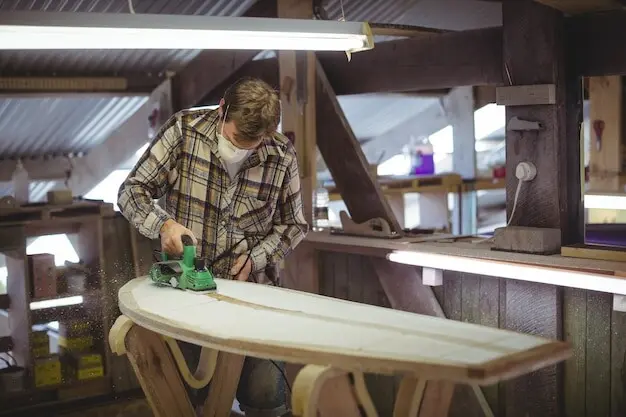
Slow-grown spruce and larch often show high latewood ratios, tighter rings, and resins that resist decay. Air-dry to equilibrium moisture before milling, then allow extra acclimation if your shop sits lower than the harvest site. Plane with sharp, high-angle edges to avoid tear-out. Choose joinery that allows seasonal movement without stressing stone interfaces. When your boards are predictable, finishes cure evenly, hardware holds, and clients notice pieces that stay square through winters of dry heat and summers of mountain storms.

Stone Behavior Outdoors and In

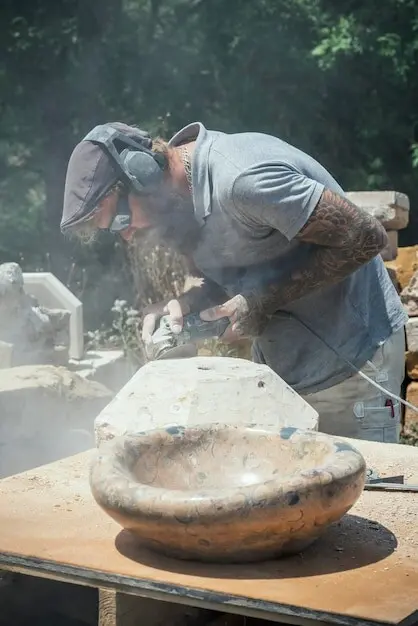
Porosity, compressive strength, and frost resistance determine whether a slab belongs on a patio step or a dining table. Seal breathable stones judiciously, and test absorption with timed water drops instead of guessing. Honor bedding planes to prevent delamination. Chamfer exterior edges to manage chips and runoff. For interiors, consider slip resistance where wet boots travel. Matching function to mineralogy saves replacements, prevents injuries, and respects the energy embedded in extraction and transport. Every thoughtful decision keeps another block in the hillside longer.

Joining Wood and Stone Gracefully

Let each material move as itself. Use mechanical fasteners with slotted holes, flexible adhesives rated for differential expansion, and lime-based mortars where breathability matters. Decouple heavy stone from sensitive wood with gaskets, pads, and adjustable hardware. Balance weight so joints aren’t doing quiet violence beneath a polished surface. Mock up assemblies, stress-test in temperature swings, and document what worked. When joins serve rather than fight physics, maintenance is simple, breakages are rare, and the maker’s intelligence becomes part of the object’s calm.

Design that Honors the Mountain

A respectful design wastes little, invites repair, and lets material character remain legible. We explore ways to celebrate knots, sap streaks, mica sparkles, and glacier scratches without slipping into kitsch. Offcuts become handles, inlays, trivets, and mosaic fields that reduce landfill and add narrative layers. Finishes breathe, invite touch, and avoid toxins. Your design choices are levers—turn them thoughtfully and you reduce extraction, extend service life, and tell a story profound enough that owners choose care over replacement for generations.

Transport, Footprint, and Community Benefit

A slab of local gneiss with careful finishing carries less carbon than many glamorous imports flown across oceans. Ask freight partners for emissions estimates, prioritize rail and barge, and schedule deliveries to avoid partial loads. Show clients comparisons using simple dashboards. When proximity becomes part of the design brief, delays shrink, budgets behave, and mountains retain more of their strength. Local pride follows, building word-of-mouth and resilience. Beauty rooted in place rarely needs exotic names to earn genuine attention and care.
Paying on time and above extraction minimums sustains sawyers, mule teams, and quarry crews who do the quiet, careful work. Consider cooperative contracts with training slots for youth and career switchers, building regional capacity. Publish a transparent pricing breakdown that includes stewardship costs. When everyone eats, shortcuts fade. The result is steadier quality, safer sites, and fewer disputes. Clients sense the difference in your calm schedule and finished details, then return with referrals, turning ethical economics into the most persuasive marketing imaginable.
Start by reducing through route planning, vehicle maintenance, and shared shipments. For the remainder, invest in verified projects tied to the same watershed: riparian plantings, meadow restoration, or community wood banks replacing diesel heat. Track performance annually and revise methods as you learn. Offsets do not excuse lazy practices; they close hard gaps while better systems mature. Invite readers to share their approaches, compare notes, and hold one another kindly accountable. Collective discipline keeps the skyline steady for future hands and eyes.

From Mountain to Maker: A Project Walkthrough
Follow a real, small-scale build that threads ethical decisions from scouting to installation. We trace a bench combining alpine larch and local slate, sourced with community input and meticulous records. You’ll see how seasonality, transport choices, and shop practices shape cost, timeline, and footprint. Honest missteps become lessons, not secrets. At the end, use our checklist, share your photos, and tell us what you would improve. This living case study invites dialogue rather than declaring victory.
Tavoravotelikento
Privacy Overview

This website uses cookies so that we can provide you with the best user experience possible. Cookie information is stored in your browser and performs functions such as recognising you when you return to our website and helping our team to understand which sections of the website you find most interesting and useful.