Crafted by Hand, Shaped by Peaks
Step into the living world of handbuilt mountain cabins and the vernacular architecture of the Alps, where larch, spruce, and stone answer snow, wind, and centuries of seasonal travel. We will explore how makers shaped shelter with simple tools, patient hands, and community memory, preserving warmth, character, and resilience in places where every board and boulder had to earn its keep.
Roots Above the Tree Line
These dwellings grew from transhumance rhythms, when herders climbed with cattle and cheese presses, and families met mountain weather with resourceful planning. Positioned to catch winter sun yet dodge avalanche paths, they embody decisions learned the hard way: short hauls for timber, dry foundations, tight footprints, and shared labor that turned neighbors into builders and builders into caretakers of the landscape shaping them back.
Materials Within Carrying Distance
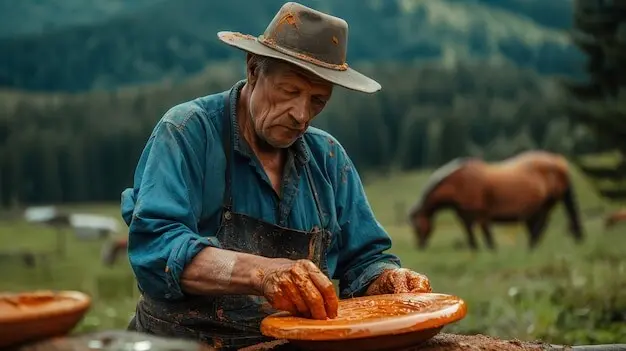
Timber came from slopes a few hours away, hauled by sleds over frozen ground to reduce damage and effort. Larch resisted rot, spruce offered straight grain, and local stone formed plinths above meltwater. Choosing what the valley gave meant smarter joins, minimal waste, and walls that could dry after storms, making longevity not a luxury, but the only workable plan.

Reading Snow, Wind, and Slope
Builders sited cabins where avalanche fans ended and prevailing winds scoured roofs instead of lifting them. Entrances turned their backs to gusts; eaves projected to drop snow clear of walls; windows favored sun while staying compact. A misplaced corner could invite a drift or an ice dam, so experience traced invisible lines on the land long before the first notch was cut.
Anatomy of a Resilient Cabin
Look closely and you’ll see a layered strategy: stone against ground moisture, timber stacked to breathe, and a roof pitched for heavy snow yet sheltered by generous eaves. Balconies dry hay, lofts buffer heat, and tiny gaps vent smoke before kachelofen warmth settles. Every element answers climate and workload, creating interiors as pragmatic as they are quietly graceful and durable.
Hewing with Adze and Broad Axe
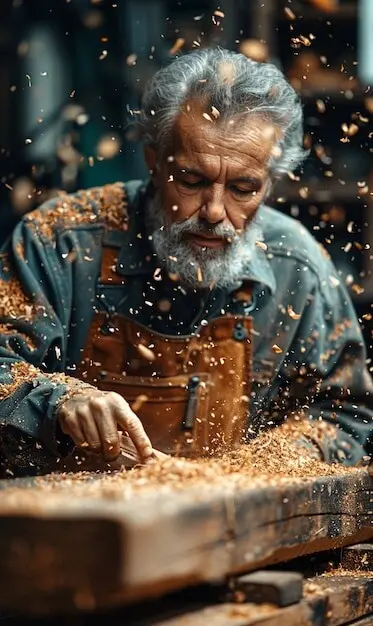
With chalk lines snapped along the log, kerf cuts guided the broadaxe’s swing while the adze refined flats. The result saved weight, increased bearing precision, and presented heartwood outward where weather attacked most. Each blow taught feedback through vibration, building a builder’s muscle memory, so a day’s work recorded as much knowledge in the arms as on the timber faces.
Scribing, Dovetails, and the Joy of Fit
Scribing copied irregularities like a tailor fitting cloth, so hand-shaped logs met with surprising intimacy. Tight dovetails rejected racking winds; saddle notches shed water; pins wed lock-like. You could hear satisfaction when a joint seated, a gentle thud signaling fewer draughts next January. That sound, old carpenters say, is winter easing its grip before it even arrives.
Living Warm with Less
Comfort arose from envelope wisdom, not brute force. Breathable layers balanced heat and humidity; compact plans shrank exposed perimeter; mass stoves stored sunrise in their cores and returned it after dusk. Windows framed essential light while minimizing heat loss, and materials chosen for nearby availability doubled as carbon savings, proving thrift and delight can share the same hearth.

Across Valleys: Regional Voices
The Alps speak many dialects in wood and stone. Walk a day and doorways change; cross a pass and roofs learn new angles. Walser traditions meet Valais granaries, Engadine murals greet Tyrolean balconies, and every choice records climate, crops, customs, and pride. Understanding differences sharpens appreciation for common intelligence shaping shelter across snow belts and sun-struck terraces alike.
Walser Settlements and Valais Raccards on Mushroom Stones
High Walser hamlets pair log living houses with raised granaries called raccards or mazots, their flat capstones perched on anti-rodent pedestals. Larch boards weather into silvery shields; galleries dry grain; alleys stay passable in deep snow. These sculptural supports look whimsical until harvest time proves their logic, saving winter stores and reminding us that elegance often grows from stubborn necessity.
Engadine Houses with Sgraffito, Stubes, and Deep Eaves
In the Engadine, thick masonry walls carry sgraffito patterns that etch stories into lime. Timber-lined stubes glow around tile stoves; arched portals protect entries from drifting snow. Roofs project generously, while facades bask in crystalline light. This blend of mass, craft, and artistry shows how mountain comfort can be austere, playful, and sophisticated without losing the quiet humility of use.
Tradition Evolving Today
Contemporary architects revisit these lessons with respect: new cabins hide high-performance layers behind honest wood, reuse stone from fallen walls, and design for repair rather than obsolescence. Conservation boards guard character; craftspeople teach scribing to new hands. Travelers walk heritage trails, sketch details, and return inspired, keeping this quiet mountain conversation alive through study, sharing, and careful, joyful making.